What Wine Teaches You About South Africa
South African wine has been produced at the Cape since 1659, making it one of the oldest wine-producing regions outside Europe. Its history spans Dutch colonisation, French Huguenot refugees, apartheid-era isolation, and a remarkable post-1994 revival. The only grape variety unique to South Africa, Pinotage, was created here in 1925 and nearly destroyed twice before the world recognised it. What you drink in the Cape Winelands carries more history than most people realise.
Most people visit the Cape Winelands for the scenery. Rolling vineyards, mountain backdrops, long lunches in the sun. It's beautiful, and that's reason enough. But if you pay attention to what's in your glass, you'll learn something about South Africa that no guidebook covers: how this country was built, broken, and rebuilt, and who got left out of each version of the story.
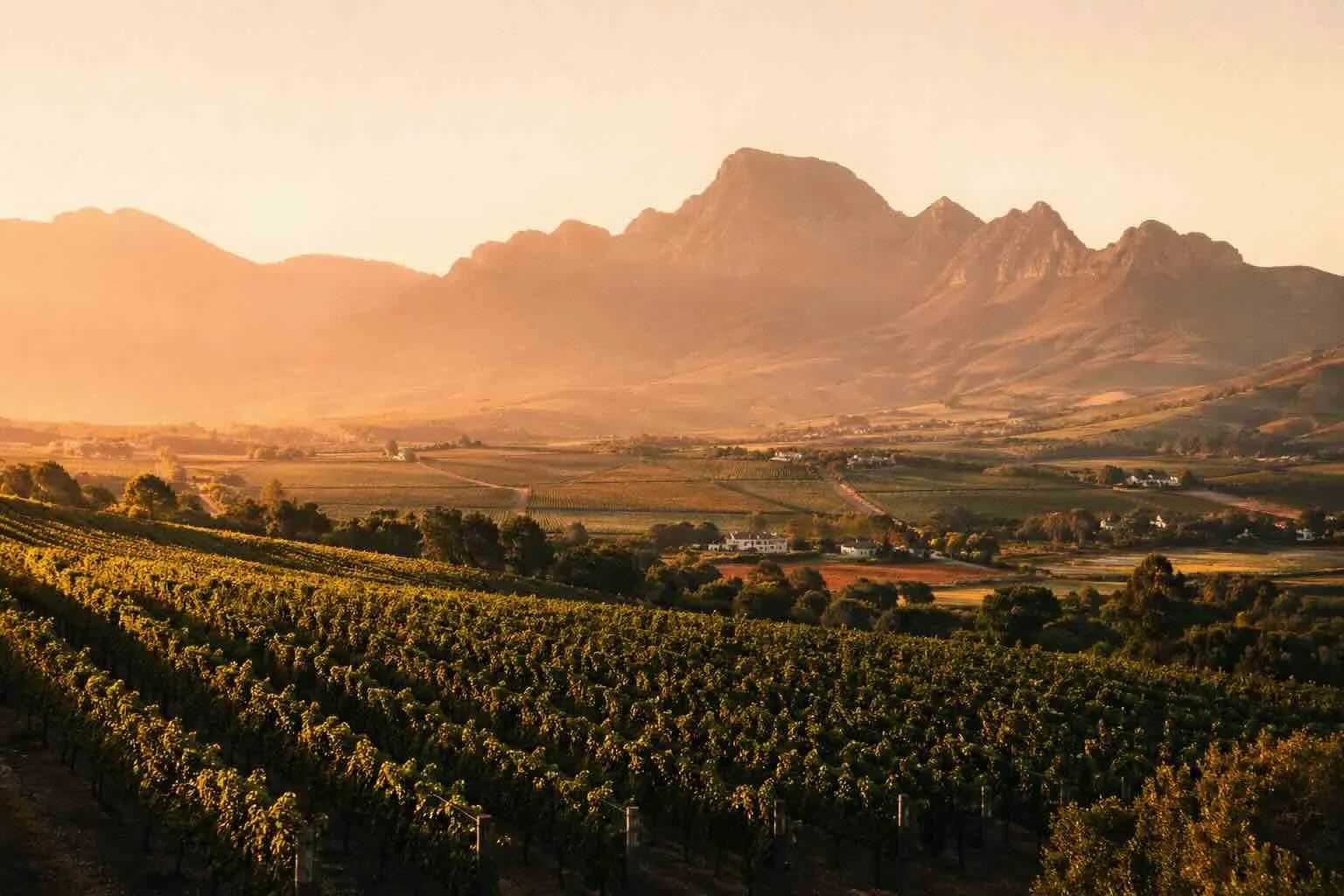
Wine has been part of the Cape for nearly 400 years. The Cape Winelands’ history is inseparable from South African history itself.
Wine started as a supply problem
When the Dutch East India Company (VOC) arrived at the Cape in 1652, they were thinking about survival. Ships on the spice route from Europe to Asia needed a resupply station: fresh water, vegetables, and meat. Scurvy was the leading cause of death among sailors on long voyages, killing more men than storms, shipwrecks, and combat combined. The Cape was chosen because a Dutch ship had wrecked in Table Bay a few years before, and the survivors reported fertile land, fresh water, and plenty of wildlife.
Wine kept better than water on long voyages; it could be produced locally, and the VOC was losing too many men to disease to ignore any practical solution. So within a year of arriving, they planted vines. Seven years later, on 2 February 1659, Jan Van Riebeeck wrote in his diary: "Today, praise be to God, wine was made for the first time from the Cape grapes, and the new must fresh from the tub was tasted." Total yield: 12 bottles.
“Today, praise be to God, wine was made for the first time from the Cape grapes, and the new must fresh from the tub was tasted.”
The Khoikhoi had lived at the Cape for centuries before the Dutch arrived. Historians estimate their population at between 11,000 and 50,000 when the ships arrived. Within fifty years, most of them had been absorbed as farm labor. Their land became the vineyards that visitors photograph today.
The French brought the craft
In 1685, Louis XIV revoked the Edict of Nantes, making Protestantism illegal in France overnight. Hundreds of thousands of Huguenots fled, mostly to England, the Netherlands, and Germany. A small group, fewer than 200 families, ended up at the Cape.
The VOC specifically selected them. The company was looking for experienced farmers, and Huguenots had a reputation as skilled craftsmen and agriculturalists. Settlers from France's wine-producing regions brought specific knowledge.
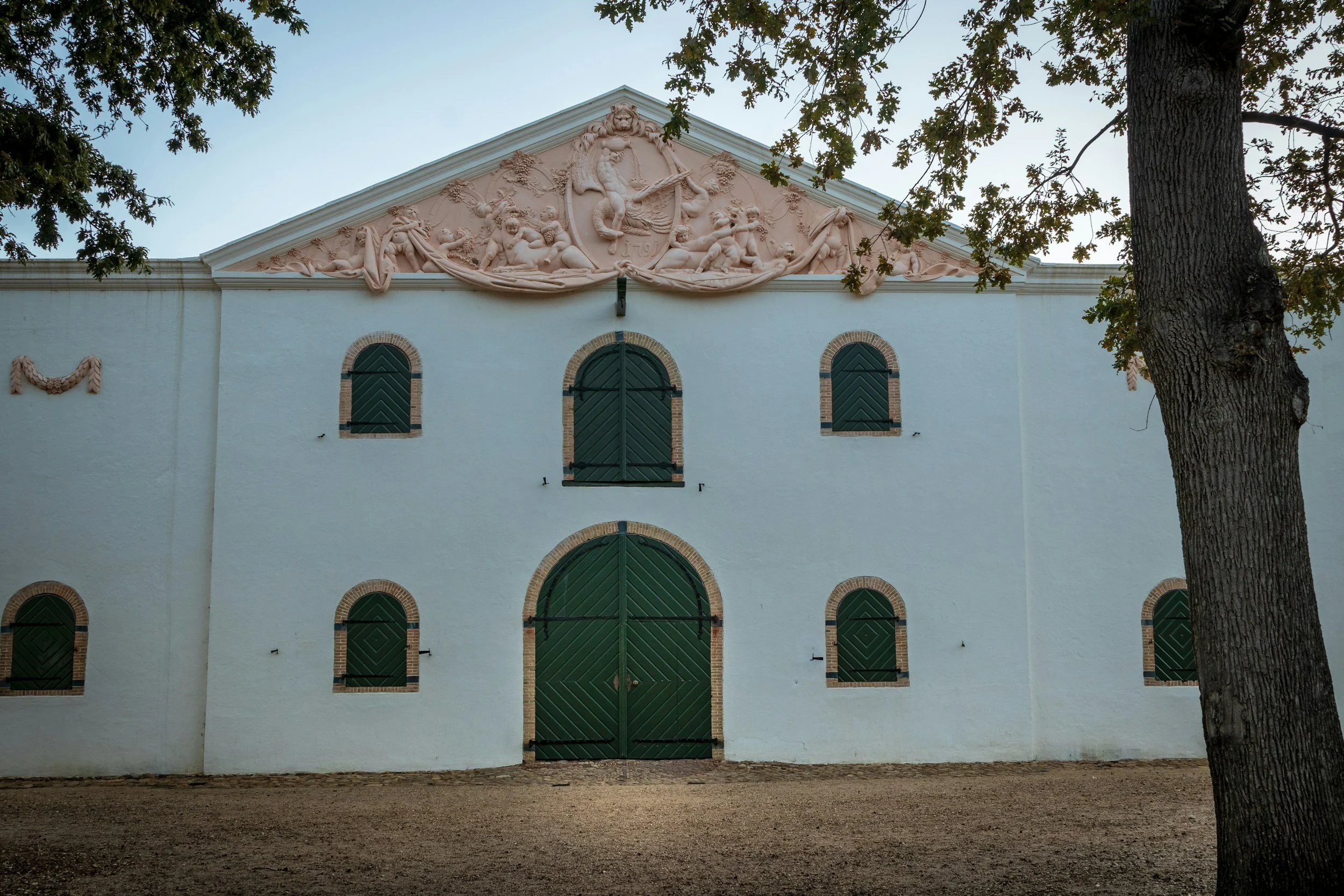
They settled in a valley the Dutch named Franschhoek: French Corner. And they named their farms after the places they had left behind. Those names are still there. Walk through Franschhoek today, and you'll pass La Motte, Grande Provence, Haute Cabrière, L'Ormarins. The Huguenots assimilated fast: within two generations, French had disappeared as a spoken language at the Cape. But the names of the farms stayed, and so did the vines.
Fun fact: When I visited the Huguenot Museum in Franschhoek, I found my own surname on the list of families who made it to the Cape.
The only difference between what they make in Franschhoek and what they make in Champagne is the name on the label. In 1992, South Africa was legally banned from using the word Champagne. They called it Cap Classique, or MCC, Méthode Cap Classique. Same bubbles, different country.
The grape that almost didn't exist
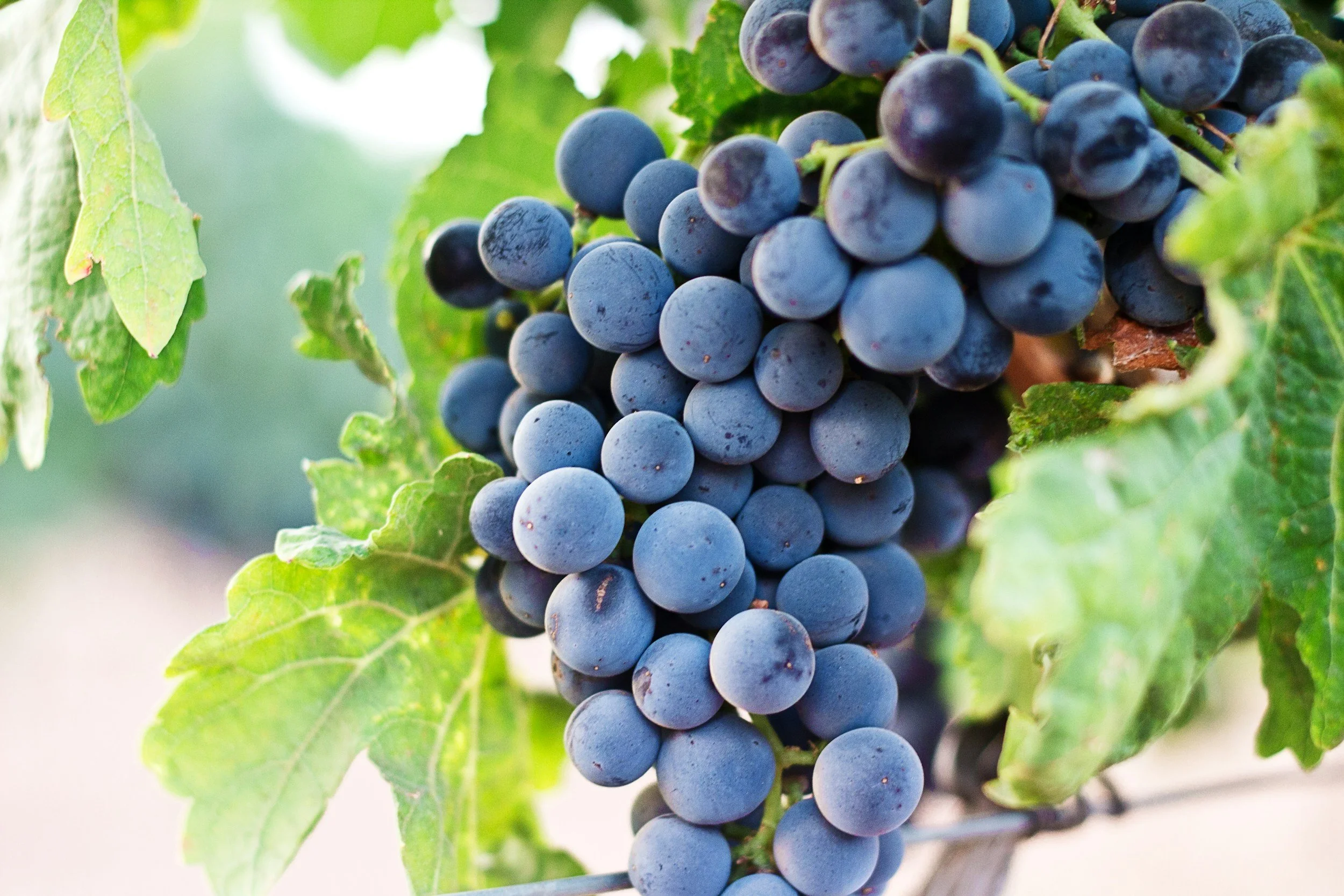
In 1925, a viticulturist at Stellenbosch University crossed Pinot Noir and Cinsault and created Pinotage. He left no notes explaining why. He then forgot about the four seeds he'd planted in his garden. Two years later, he left the university, the garden became overgrown, and a cleanup crew nearly destroyed the seedlings entirely. They were saved only because a young lecturer happened to cycle past at the right moment.
Pinotage survived, was quietly propagated, and won its first major competition in 1959. Then, in 1976, a delegation of British Wine Masters visited and declared it "hot and horrible." Many producers uprooted their vines.
A handful kept going. In 1991, Kanonkop's Beyers Truter was named International Winemaker of the Year at the International Wine and Spirit Competition, the first South African ever to win it, with a Pinotage. When another British delegation visited in the early 90s, they called it "the future of South Africa."
It now accounts for roughly 7.6% of all wine grape plantings in the country, the third most widely planted red variety behind Cabernet Sauvignon and Shiraz.

Then came isolation
In 1918, a group of white wine farmers formed the KWV. The timing was not coincidental: it was the same year as the formation of the Broederbond, a secret society dedicated to advancing Afrikaner nationalism, and many of the same people were members of both. By 1924, an act of parliament handed the KWV sweeping powers: it controlled who could export, what could be planted, where, and how much.
Its 4,751 members formed an exclusively white club. Black South Africans were excluded from membership despite working across the industry. The cooperative became immensely profitable under apartheid. New quotas were virtually unobtainable for anyone outside the existing white farming community. Pinot Noir was unavailable. Chardonnay was illegal until the early 1980s.
The result was an industry built for volume, not quality. By 1990, less than 30% of harvested grapes became consumer wine. Wines that had once been celebrated by Napoleon and European royalty were now associated with cheap and low-quality wines.
1994 changed everything. Work in progress.
When South Africa rejoined the world, the industry faced an uncomfortable truth: the world was prepared to buy, but South Africa only had mediocre wines to offer.
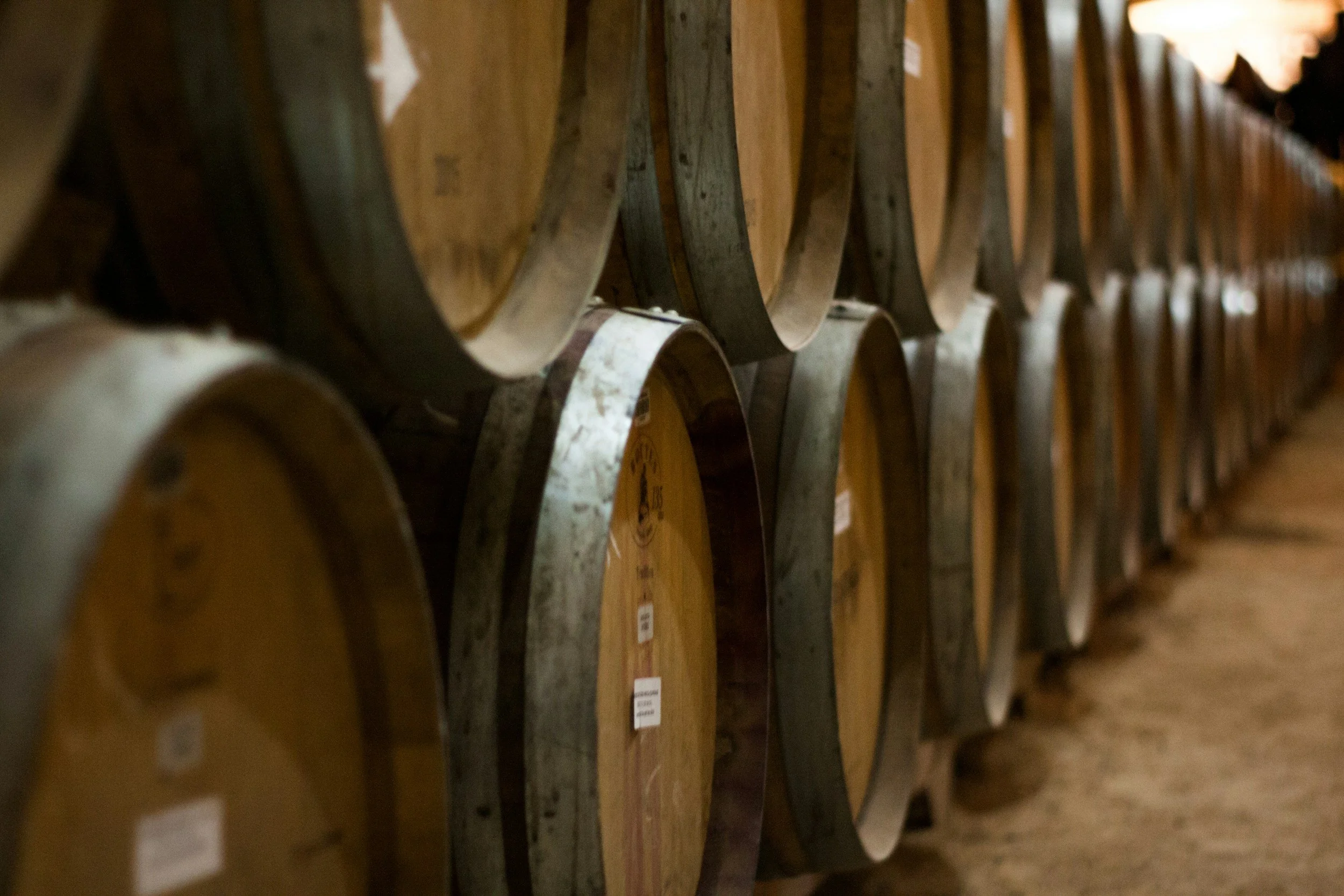
The response was fast. Winemakers who had spent decades producing for a captive domestic market suddenly had to compete internationally. Outdated techniques were abandoned. Science began informing decisions at every stage, from soil analysis and canopy management in the vineyard to fermentation and blending in the cellar. By 2003, over 70% of harvested grapes were reaching the market as consumer wine, a complete reversal from 30% thirteen years earlier.
Foreign investment followed. Drawn by a weak rand, exceptional diversity of terroir, and a growing wine tourism industry, international buyers began acquiring estates across the Winelands. South African wine stopped being a footnote and started being a destination.
Black ownership moved more slowly. The first winery with significant Black involvement, New Beginnings, was founded in Paarl in 1997. The first wholly Black-owned estate, Mont Rochelle in Franschhoek, came in 2001 (though through foreign ownership). These are recent dates for an industry that has existed since the 1650s. BEE programs have created more movement since, but ownership remains concentrated.
What you're actually drinking
The Cape has some of the oldest continuously producing vineyards outside Europe. They survived Dutch colonisation, British rule, apartheid, and decades of international isolation.
When you sit down for a tasting in Franschhoek, you're in a valley settled by religious refugees who named their farms after the homes they could never return to. When you try a Pinotage, you're drinking the grape South Africa has invented. When you visit a Black-owned estate, you're seeing something that didn't exist thirty years ago.
That's what South African wine teaches you. The actual history.
This is the first post in What a Craft Teaches You About a Country, a series exploring what skilled, place-based crafts reveal about the places they come from.
Wanderphi runs small-group trips for women to places where a craft is inseparable from the culture. The South African Wine Experience takes place from October 31 to November 7, 2026, limited to ten guests. Find out more here.